“We can only walk through doors open to us and your church, well, that’s a door that’s shut.“
Opening the Door
Did I lose you at “church”? I get it. I felt that way years ago reading Julia Cameron’s The Artist’s Way—so much so that I actually crossed out the word “God” in her book just to finish it. I never did. But I’ve grown since then.
A few faith journeys later—wiser and more open—I stumbled on a film that landed in my Netflix “We think you’ll love these” feed. The preview played automatically and, next thing I knew, I hit play. Kelsey Grammer? Fun. Catchy music? Check. Feel-good story? I’ve always been a sucker for a tear-jerker.
A Story That Mirrors Our Times
The preview for Jesus Revolution, to me, spoke to the heartache facing our world today—the political and social divides not unlike the unrest of its late-’60s, early-’70s setting. Based on the true story of Greg Laurie, Lonnie Frisbee, and Pastor Chuck Smith, it depicts a real faith revolution.
From the opening scenes, the cast felt perfectly chosen—some familiar faces, others new to me. Kelsey Grammer didn’t disappoint; I’m not sure he ever has. In an interview recorded after the film’s release, he spoke with real emotion about watching an early cut with his wife, who told him it was the best thing he’d ever done.
A Meeting of Worlds
The movie opens in a mostly empty chapel. A few scenes later, the hippies arrive—led by Lonnie Frisbee, whose Jesus-like appearance is striking. In his first conversation with Pastor Smith (Grammer), Lonnie says drugs were their confrontation with the divine—that the hippies were “a bunch of kids searching for all the right things, just in all the wrong places.”
From there, the two men’s worlds collide. Pastor Smith reluctantly welcomes Lonnie and his friends into the congregation, despite resistance from some members who insist, “This isn’t how we grow.”
Later, Smith returns home to find his house full of hippies. Lonnie invites him to sit and listen to the band. At the front of the room, Smith sees his daughter smiling, lost in the music. A grin spreads across his face as he takes in the joy filling their home—a glimpse of change, a new way forward, through the light and hope his daughter has helped bring inside.
Finding the Real High
Midway through, we reach the shores of Pirate’s Cove, where Greg Laurie’s baptism feels like a high—one I’ve known myself. Not from drugs, but from standing on the side of a highway inside a tiny church, or sitting in a sweat lodge in Red Valley. Those moments reminded me that natural, spiritual experiences are often truer than any artificial highs of youth.
The film touches on what I think we’re missing in Western society today. As our countries struggle and beliefs divide us, the point isn’t religion—it’s connection, faith, and belonging.
Faith in Many Forms
I believe we all need faith in our lives, in whatever form our hearts will allow. Mine is rooted in Christianity—the faith of my ancestors—but I’ve also learned from the texts of Islam and from Indigenous traditions. Teachers, coaches, and community members have all added to the belief I’ve built over fifty years of walking this small speck of dust.
Whatever name you give it—God, Allah, the Creator, or nothing at all—you can still find love, hope, and inspiration in this film.
We all want something to believe in. We all want acceptance, hope, love, belonging. It doesn’t have to happen on a Friday, Saturday, or Sunday morning, but it should come from somewhere, sometime. Call it religion, call it faith, call it spirituality—whatever it’s name, it’s part of us.
Hope in a Divided World
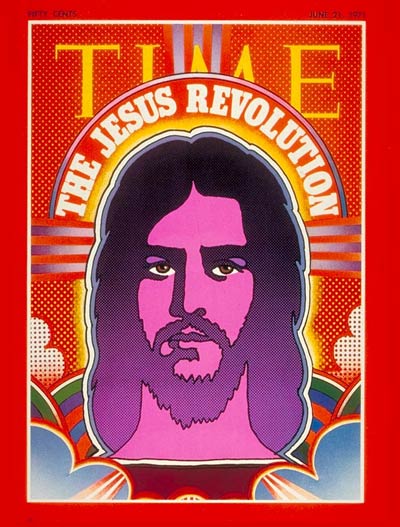
“When they gave me this story, I didn’t want it. I cover war and riots and politics—important things. Hippies and Jesus? No, man. But now… our country is a dark and divided place. And in that tent, there’s hope and unity and miracles I can’t explain. It’s spreading. I’m not sure how far, but I’m going to find out. Maybe it’s real. I kind of hope it is. Because even if you can’t see it right now—it’s a family, man. Don’t give up on it.”
~ Josiah, Time Magazine reporter in the film
Many historians considered this movement the greatest spiritual awakening in American history.
Something Greater
Maybe this film isn’t really about Jesus—or religion—at all. Maybe it’s about finding your calling, or simply believing in something, even if that something is yourself. I laughed, I cried, I felt.
Perhaps that’s the point—to feel deeply and remember we’re part of something greater. Whether you call it God, the Creator, or simply love—
Because in the end, whatever we believe, it’s always bigger than us.